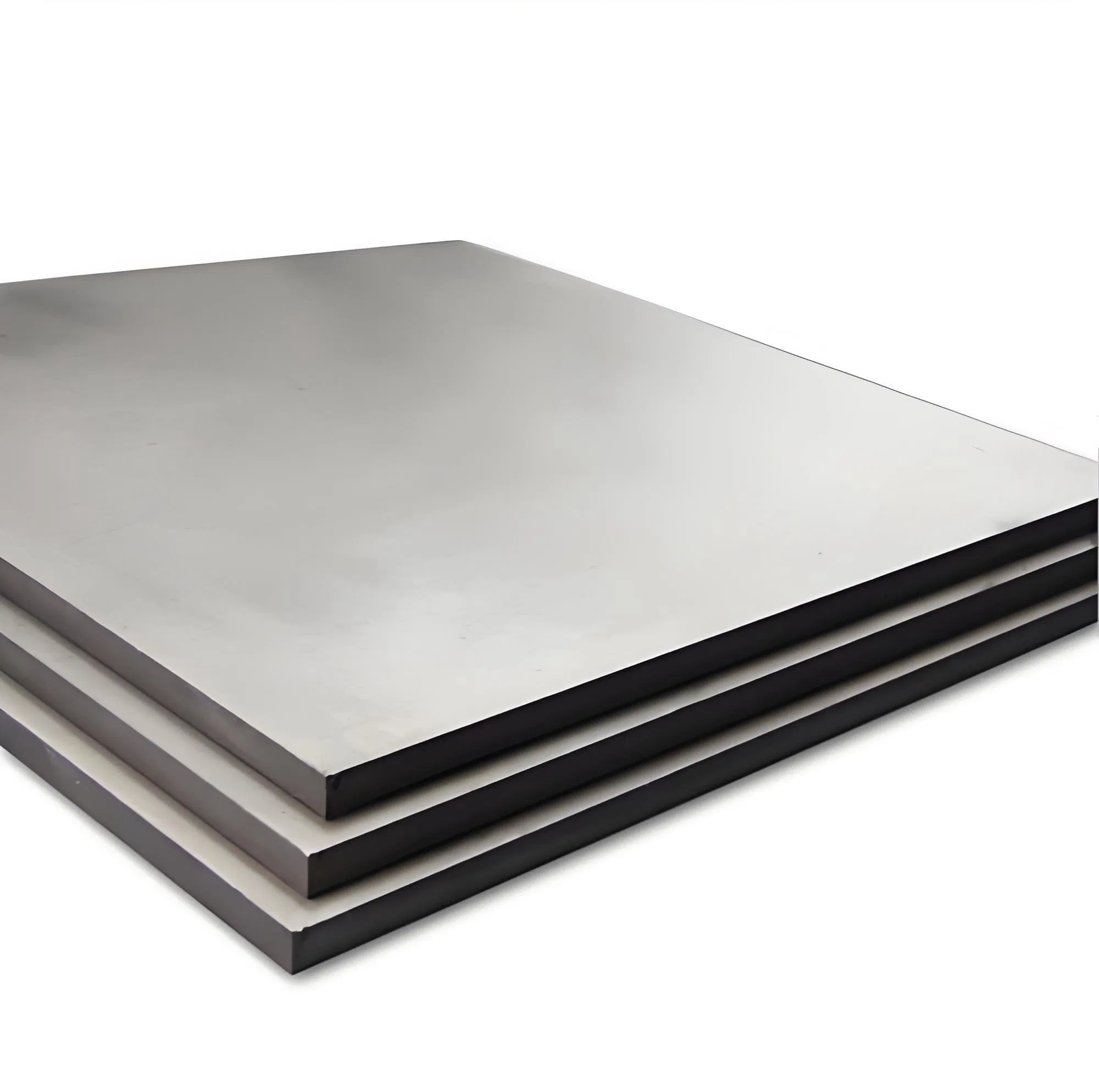
Titanium Plate & Sheet
Material: Gr 1, 2, 5, 7, 12 and project-specified grades
Order basis: ASTM B265 / ASME SB-265 when specified
Supply: Plate, sheet and cut-to-size blanks
View Titanium Plate & Sheet →
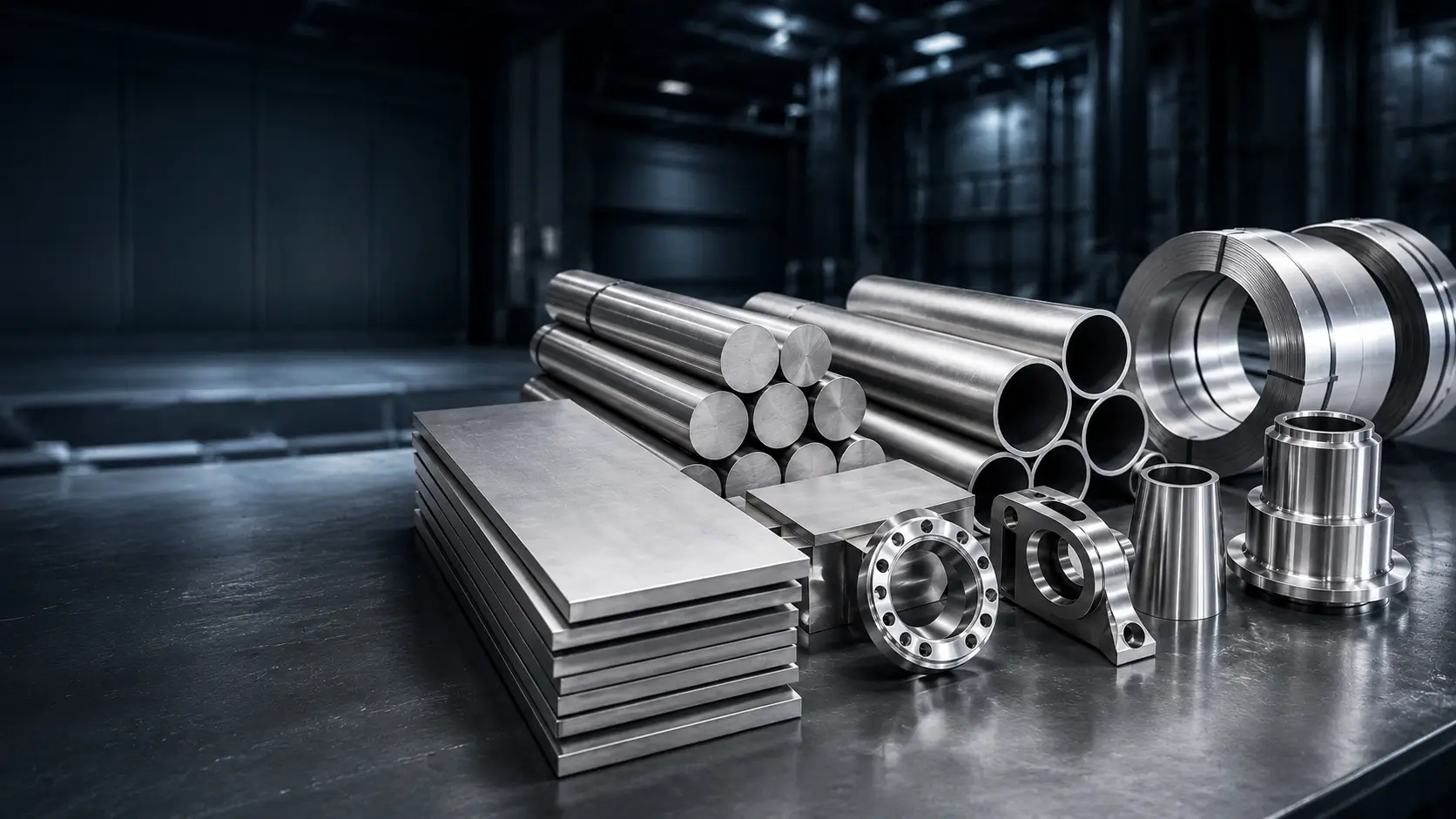
Titanium Materials & Drawing-Based Parts
Source titanium mill products and drawing-based components with the product form, grade, dimensions, condition, processing, inspection and documentation reviewed against your purchase requirements.
Product Selection Guide
“Titanium” alone is not a complete purchasing specification. The required form, grade, standard revision, condition, dimensions, tolerance, surface, processing route and acceptance evidence must work together.
Media, concentration, temperature, pressure, load and design responsibility.
Choose the mill form or component route that fits fabrication and service duty.
Drawing revision, dimensions, tolerances, surface and processing scope.
Documents, inspection, marking, packing and delivery requirements before order.
Titanium Product Range
Use each product page to review common grades, forms and quotation inputs. Final availability and compliance remain order-specific.
Material: Gr 1, 2, 5, 7, 12 and project-specified grades
Order basis: ASTM B265 / ASME SB-265 when specified
Supply: Plate, sheet and cut-to-size blanks
View Titanium Plate & Sheet →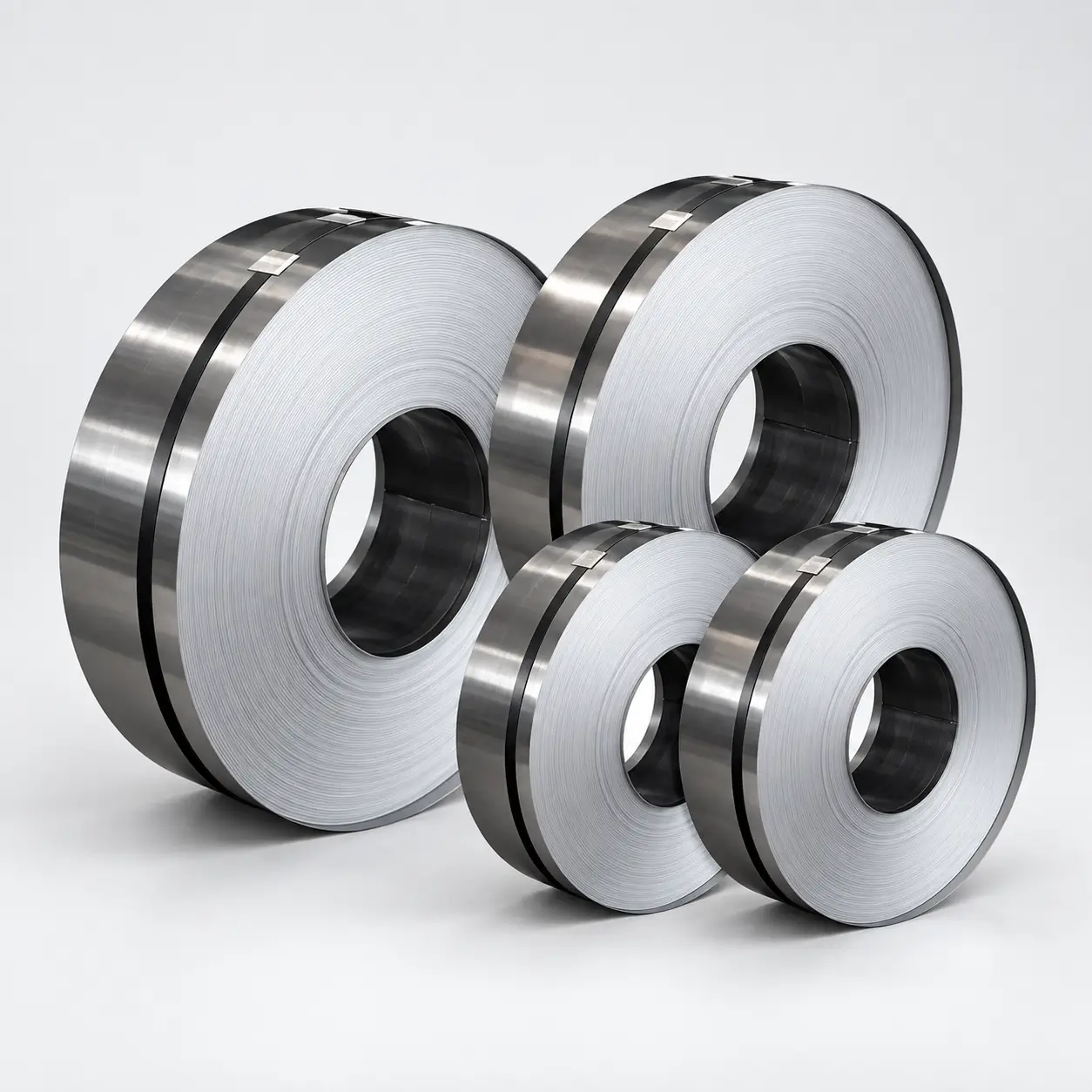
Material: Commercially pure and project-specified alloys
Order basis: Applicable flat-product specification
Supply: Coil, strip and precision-slit material
View Titanium Coil & Strip →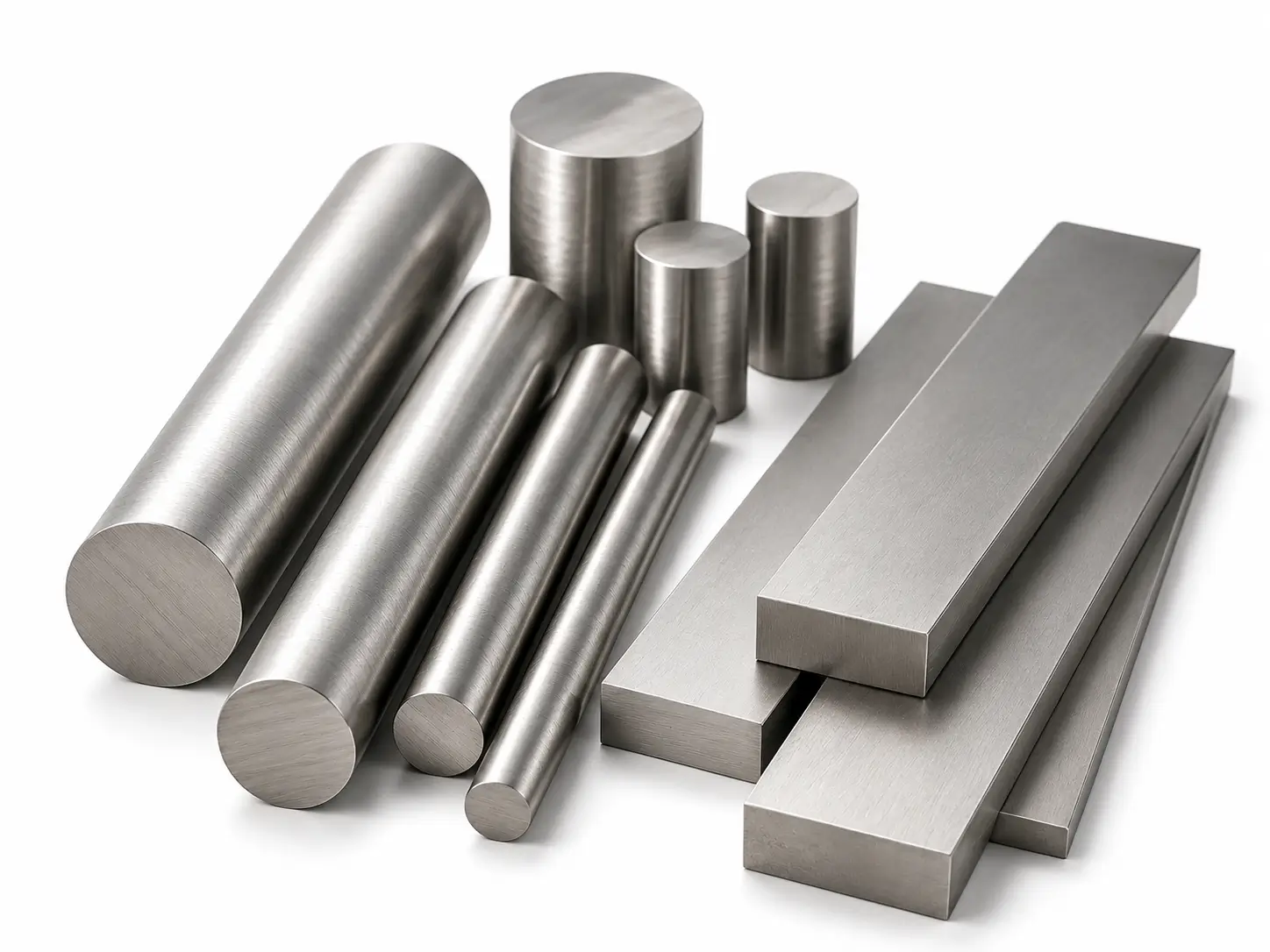
Material: Gr 1, 2, 5, 7, 9, 23 and project-specified grades
Order basis: ASTM B348/B348M when specified
Supply: Rod, round bar and machining blanks
View Titanium Rod & Bar →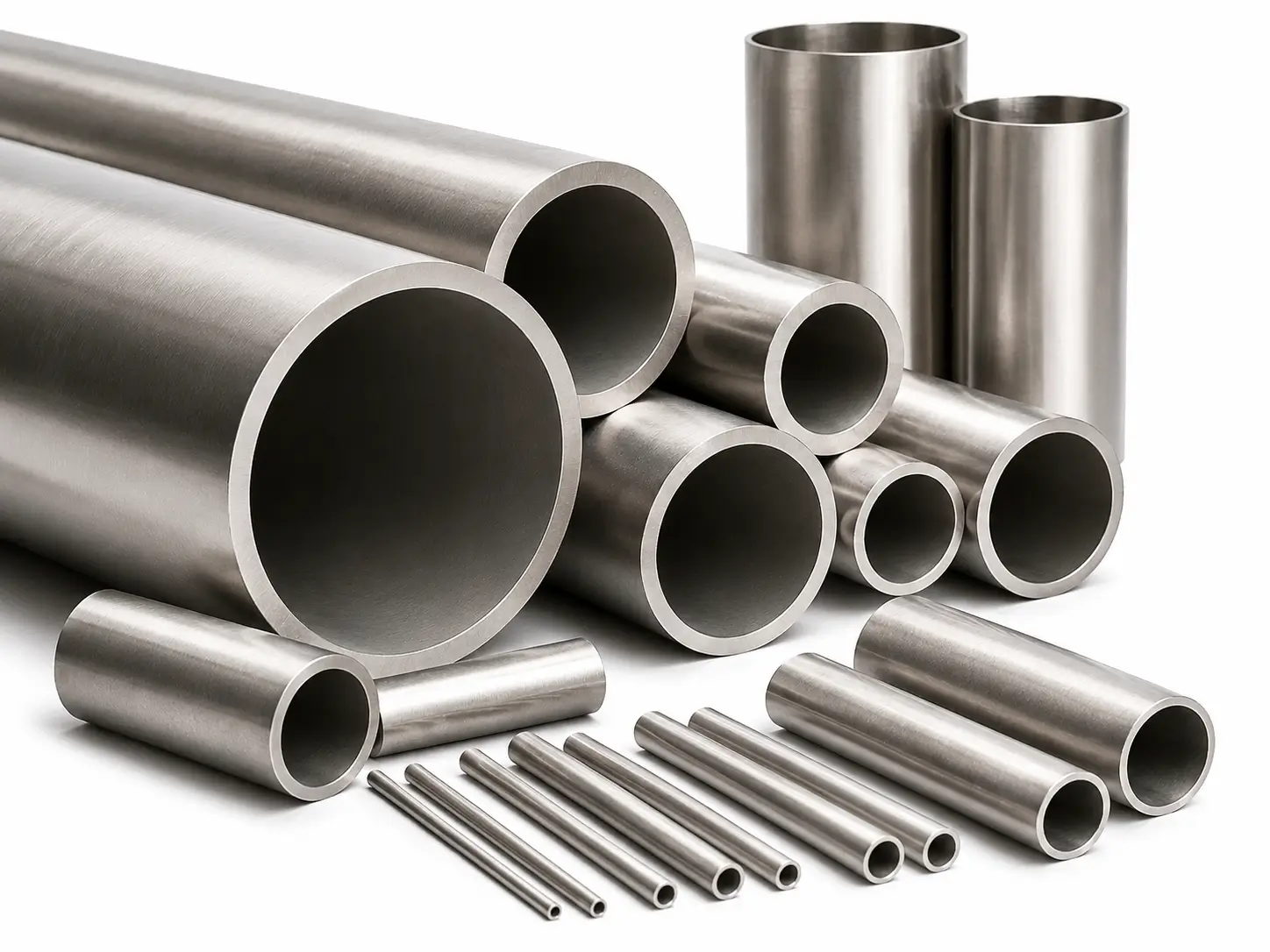
Material: Common CP and alloy grades by service duty
Order basis: ASTM B338, B861 or B862 as applicable
Supply: Seamless or welded tube and pipe
View Titanium Tube & Pipe →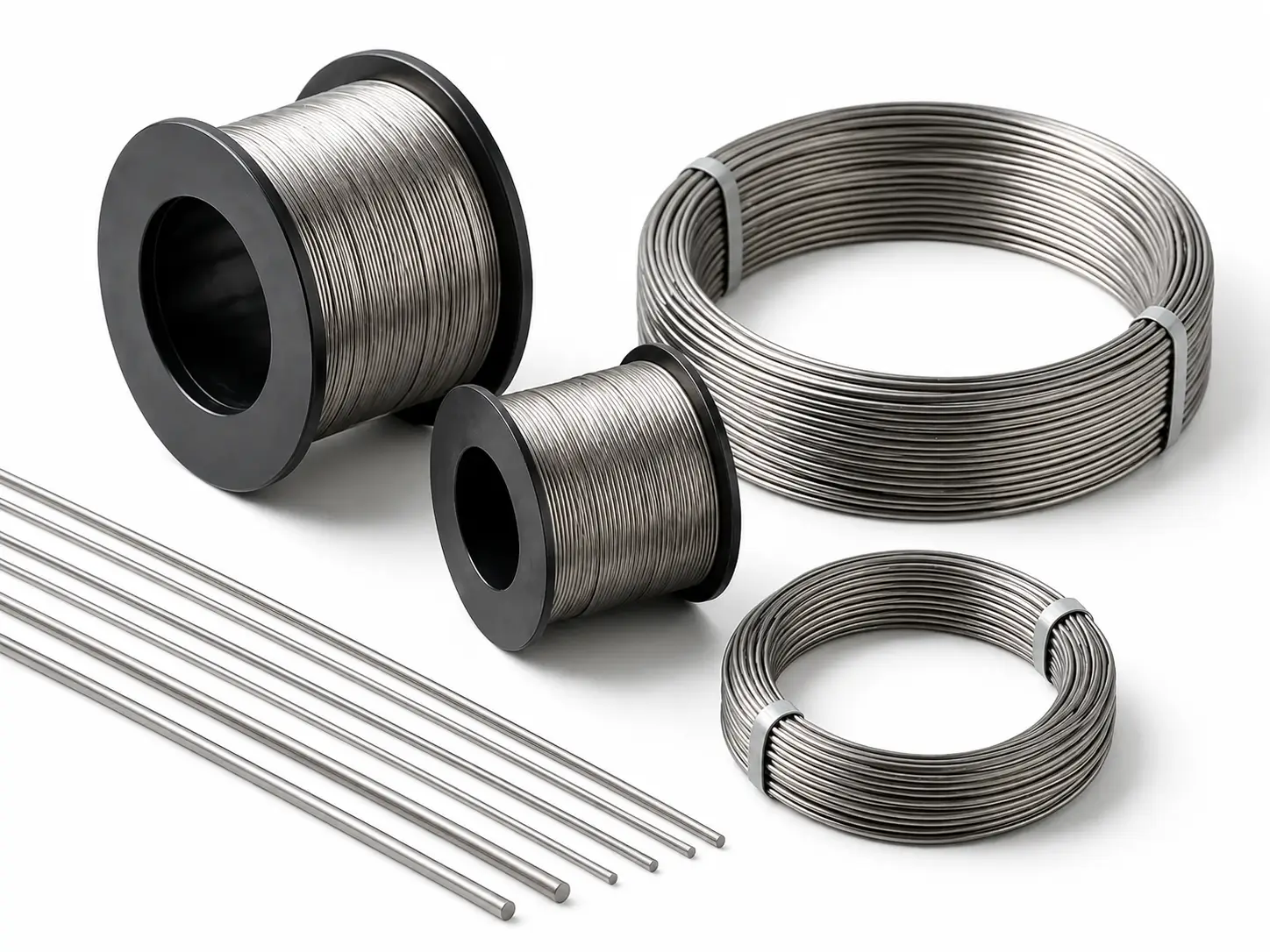
Material: CP titanium and titanium alloys by specification
Order basis: ASTM B863 or project specification
Supply: Coil, spool and straight wire
View Titanium Wire →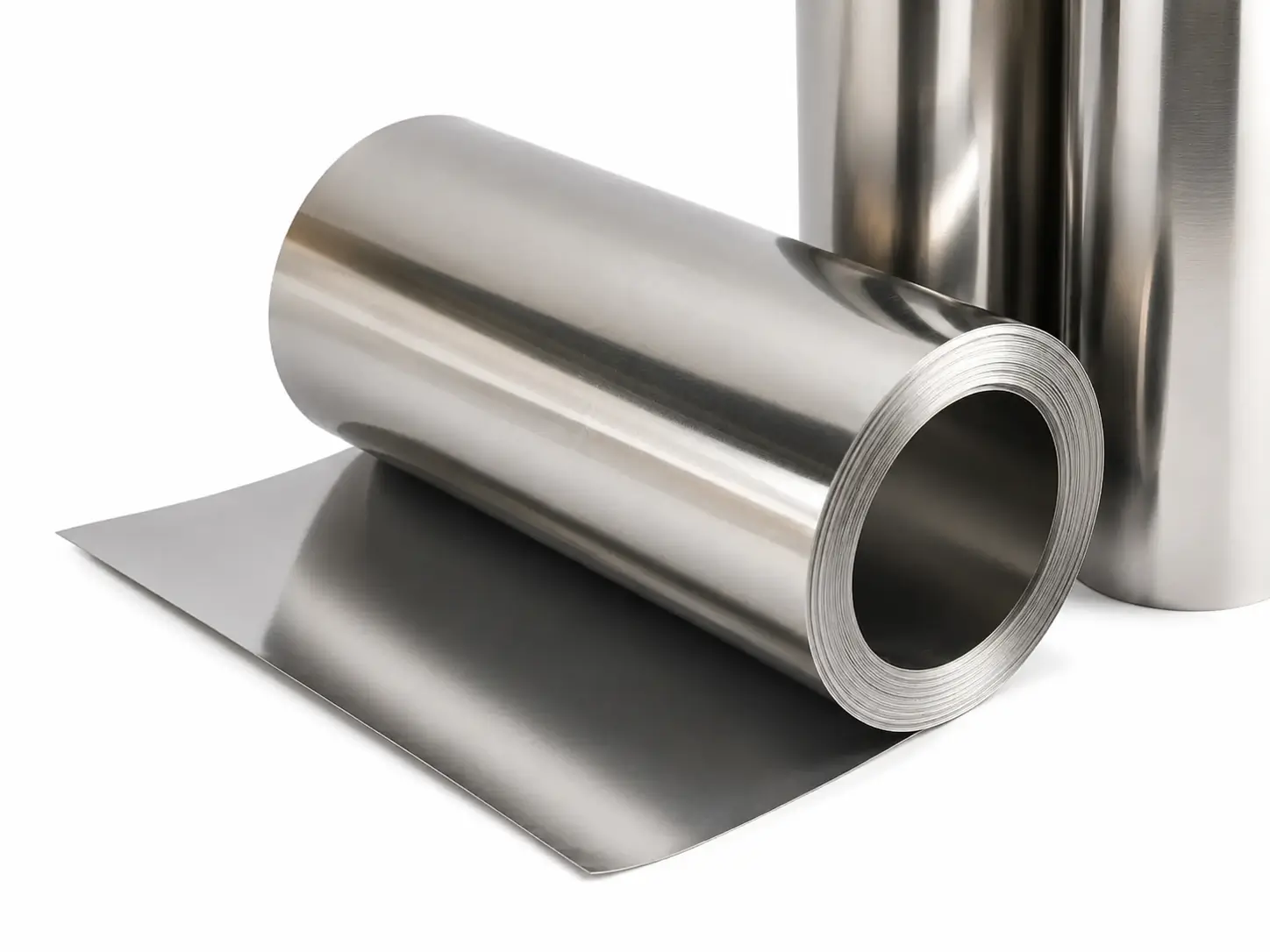
Material: Commonly CP titanium; confirm alloy and condition
Order basis: Project-specific thin-product requirements
Supply: Thin foil, coil and cut pieces
View Titanium Foil →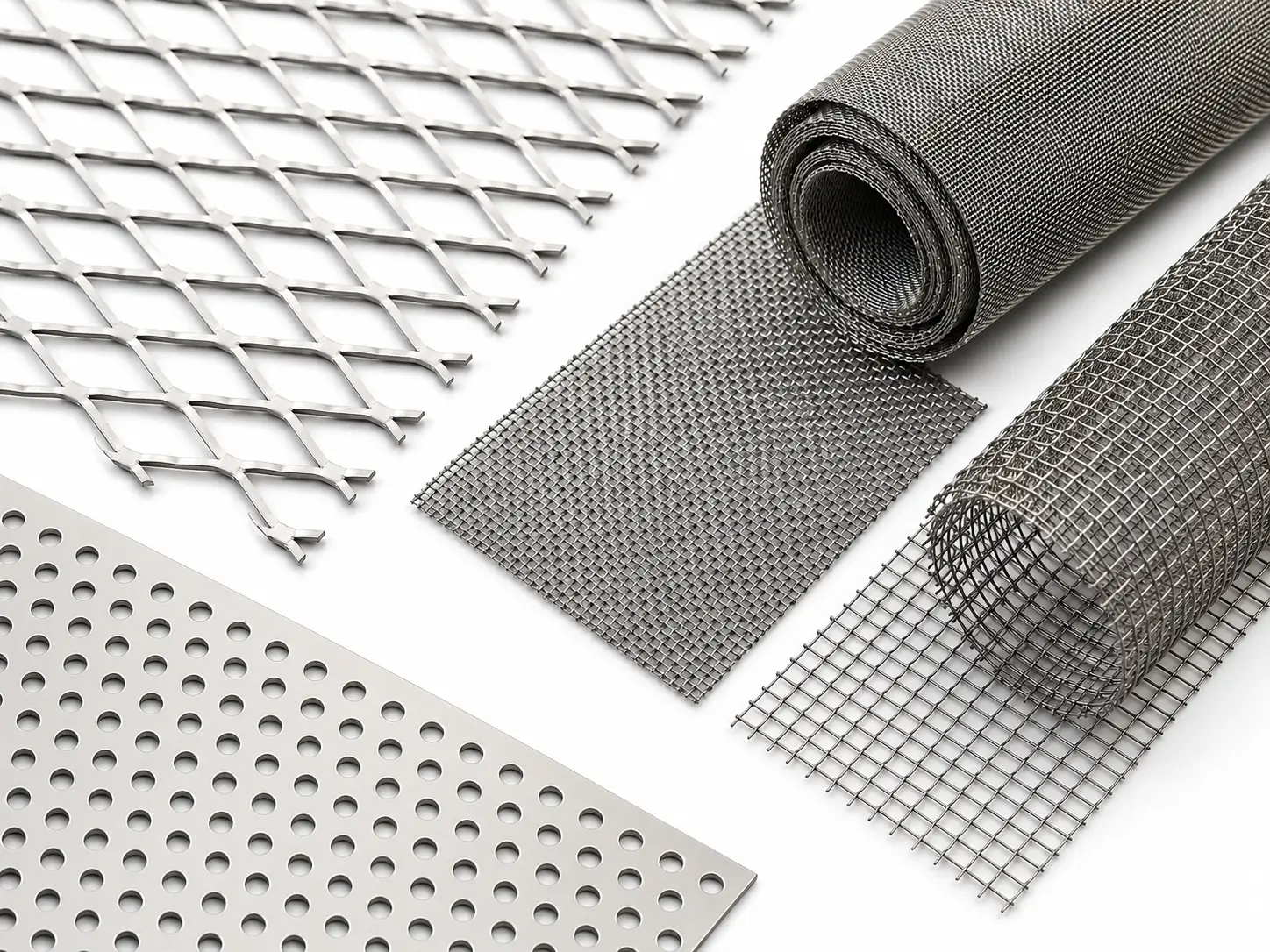
Material: Grade and strand geometry by application
Order basis: Drawing or project specification
Supply: Expanded, woven and custom mesh
View Titanium Mesh →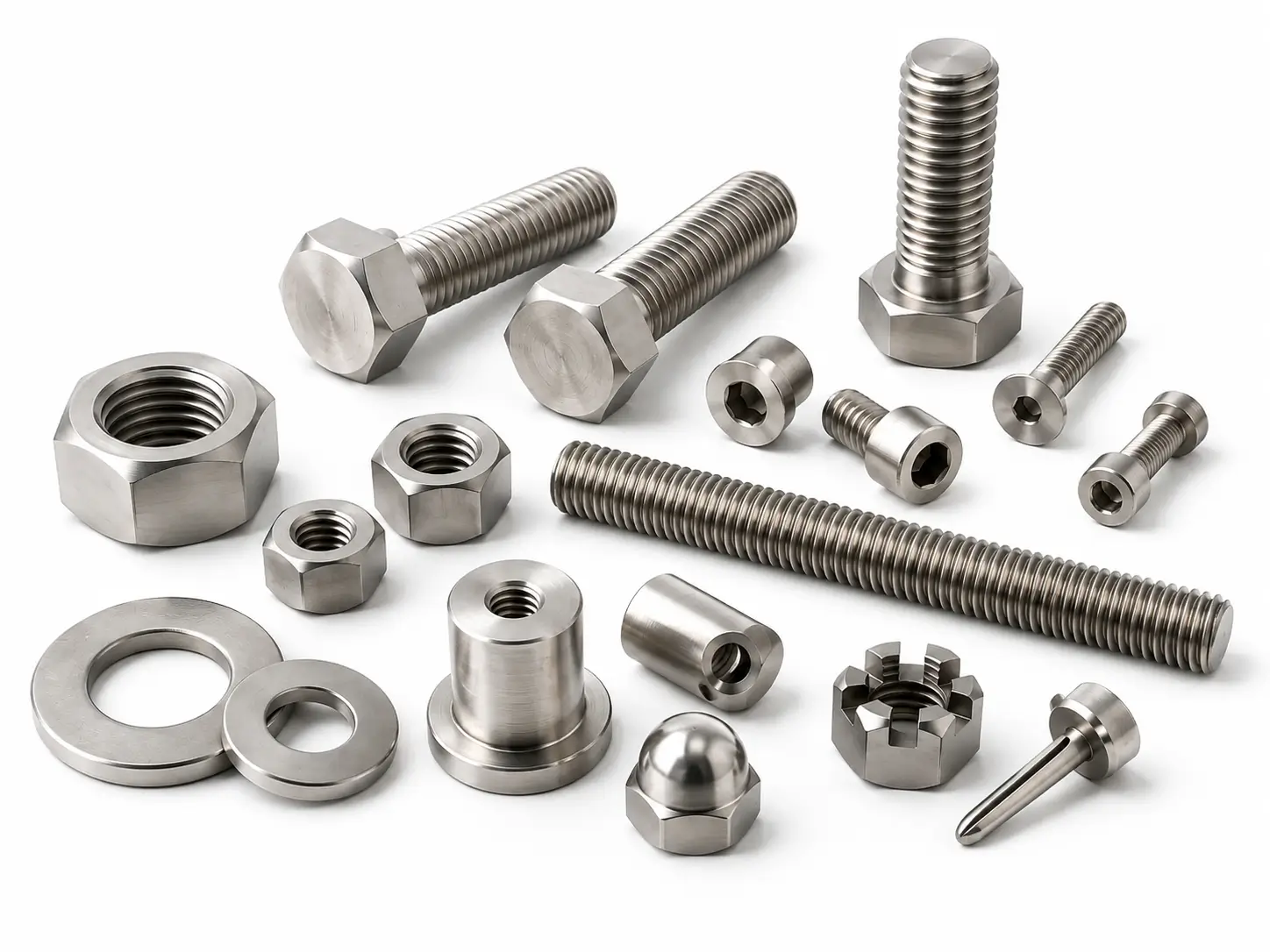
Material: Gr 2, 5, 7 and project-specified materials
Order basis: ASTM, ISO, DIN or drawing-based
Supply: Bolts, nuts, screws and threaded parts
View Titanium Fasteners →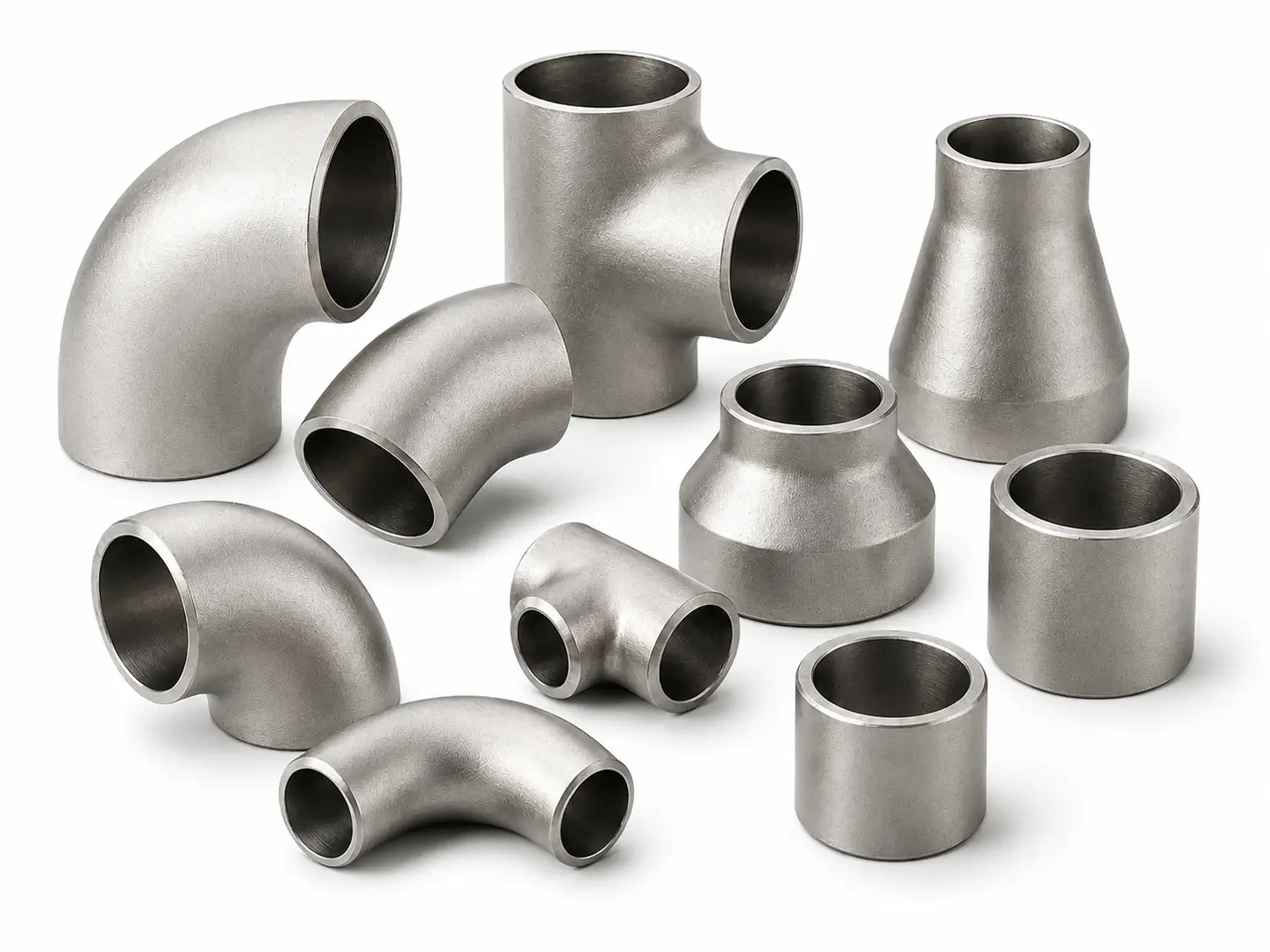
Material: Grade and product form by piping specification
Order basis: ASTM, ASME or project specification
Supply: Elbows, tees, reducers and couplings
View Titanium Fittings →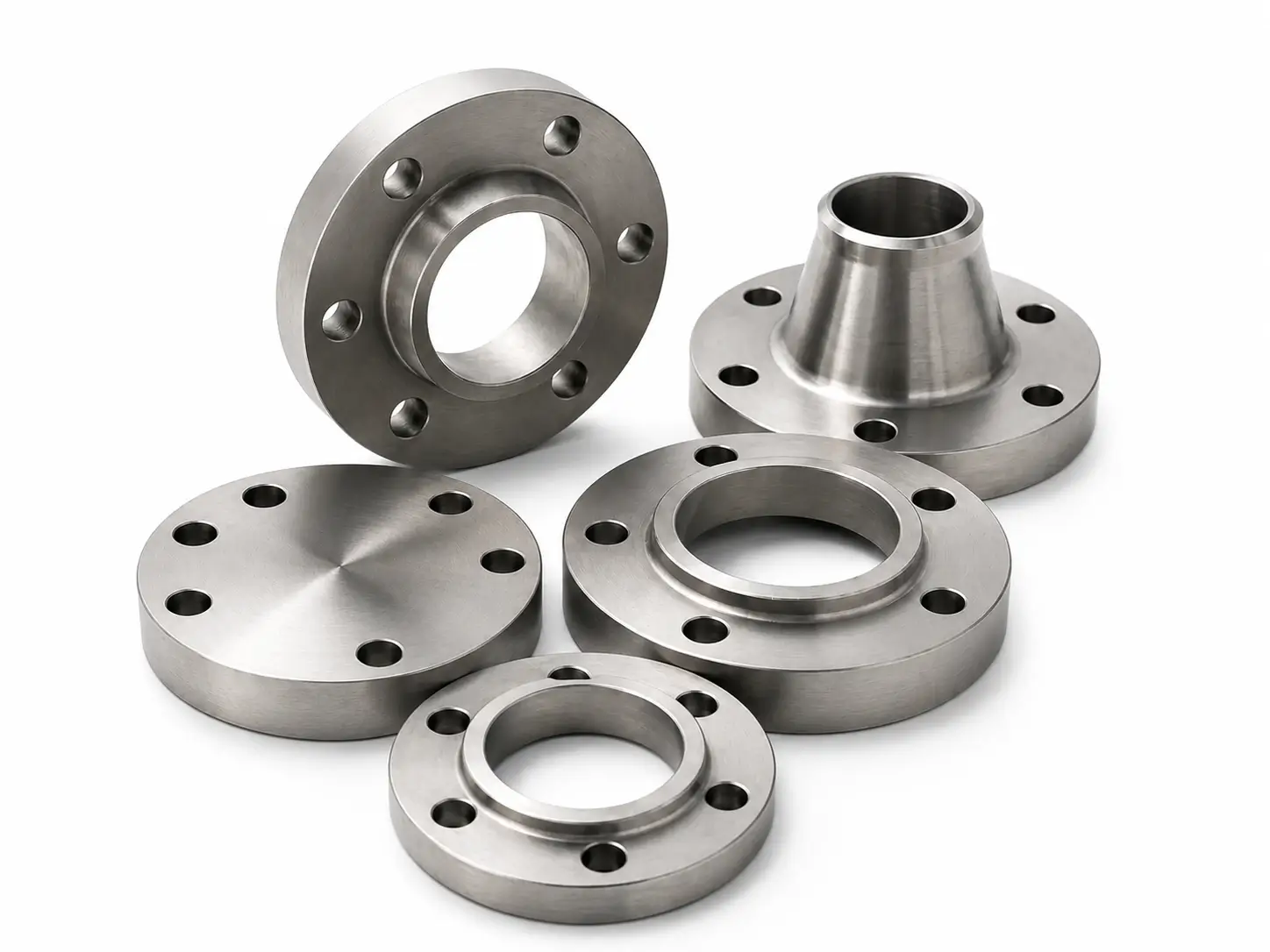
Material: Grade, pressure class and facing by project
Order basis: ASME, DIN, JIS or drawing-based
Supply: Weld-neck, slip-on, blind and custom flanges
View Titanium Flanges →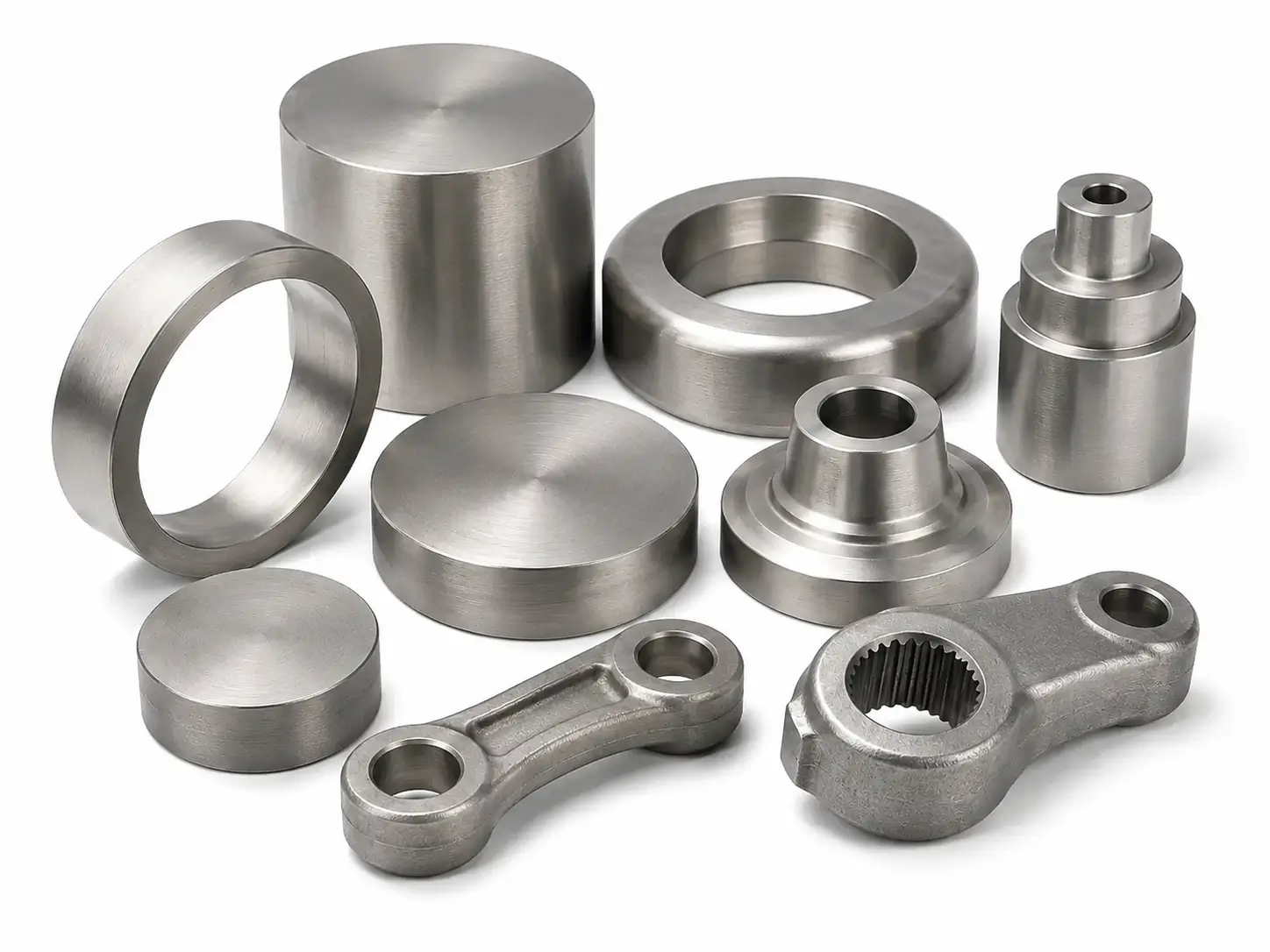
Material: CP and alloy grades by mechanical duty
Order basis: ASTM B381 or project specification
Supply: Rings, discs, shafts, blocks and blanks
View Titanium Forgings →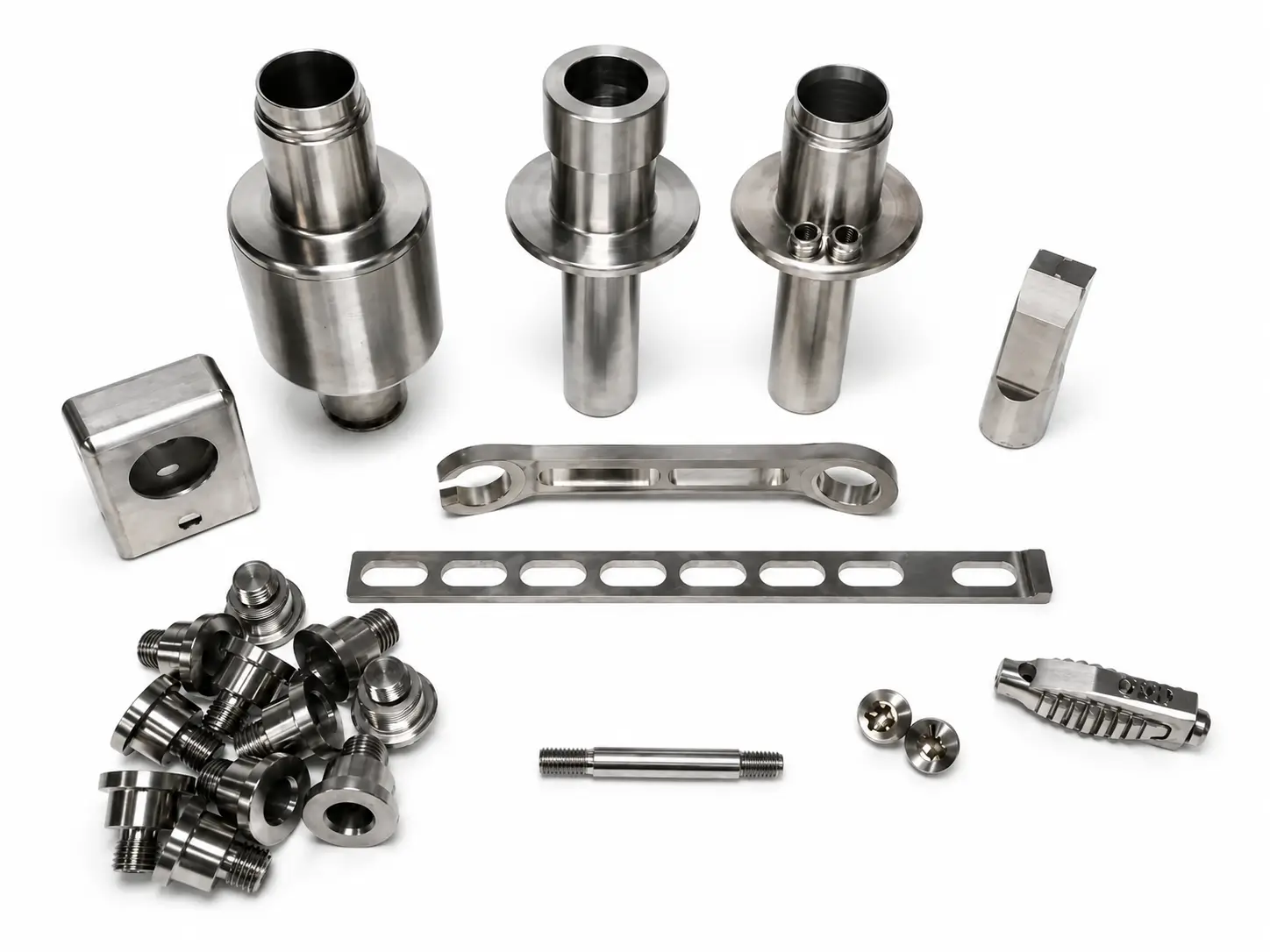
Material: CP titanium and alloys from drawing
Order basis: Customer drawing and acceptance plan
Supply: Turned, milled, drilled and assembled parts
View Titanium Machined Parts →Material: Material, diameter and surface by use
Order basis: Drawing or purchase specification
Supply: Standard and precision titanium balls
View Titanium Balls →Material: Material, mesh and structure by process
Order basis: Drawing or project specification
Supply: Process baskets and custom assemblies
View Titanium Baskets →Material: Grade, thickness and forming condition
Order basis: Drawing and functional requirements
Supply: Formed and precision diaphragms
View Titanium Diaphragms →Material: Titanium/copper combination by electrical duty
Order basis: Drawing, bond and acceptance requirements
Supply: Bars, rods and custom conductors
View Titanium-Clad Copper →Supply Options
A mill product, cut blank and finished component carry different processing, inspection and responsibility boundaries.
Product form, grade, specification, condition, size and quantity.
Add cut geometry, tolerance, edge condition and machining allowance.
Confirm feasibility, quantity basis, production route and qualification needs.
Freeze drawing revision, critical features, inspection plan and change control.
Before Requesting a Quote
State whether HELE is quoting raw material, a processed blank, a finished component or an assembly. List inclusions, exclusions and customer-supplied design inputs explicitly.
See the people, equipment and production environment behind our titanium mill products and custom components.
Industry Context
Industry names provide context, but service conditions and governing specifications determine the final material and product route.

Start with process chemistry, concentration, temperature, pressure and fabrication code.
Explore the industry context →
Define seawater exposure, crevice conditions, mechanical load and maintenance access.
Explore the industry context →
Separate material compliance from finished-device approval and customer validation.
Explore the industry context →
Confirm alloy, condition, approved specification, traceability and qualification responsibilities.
Explore the industry context →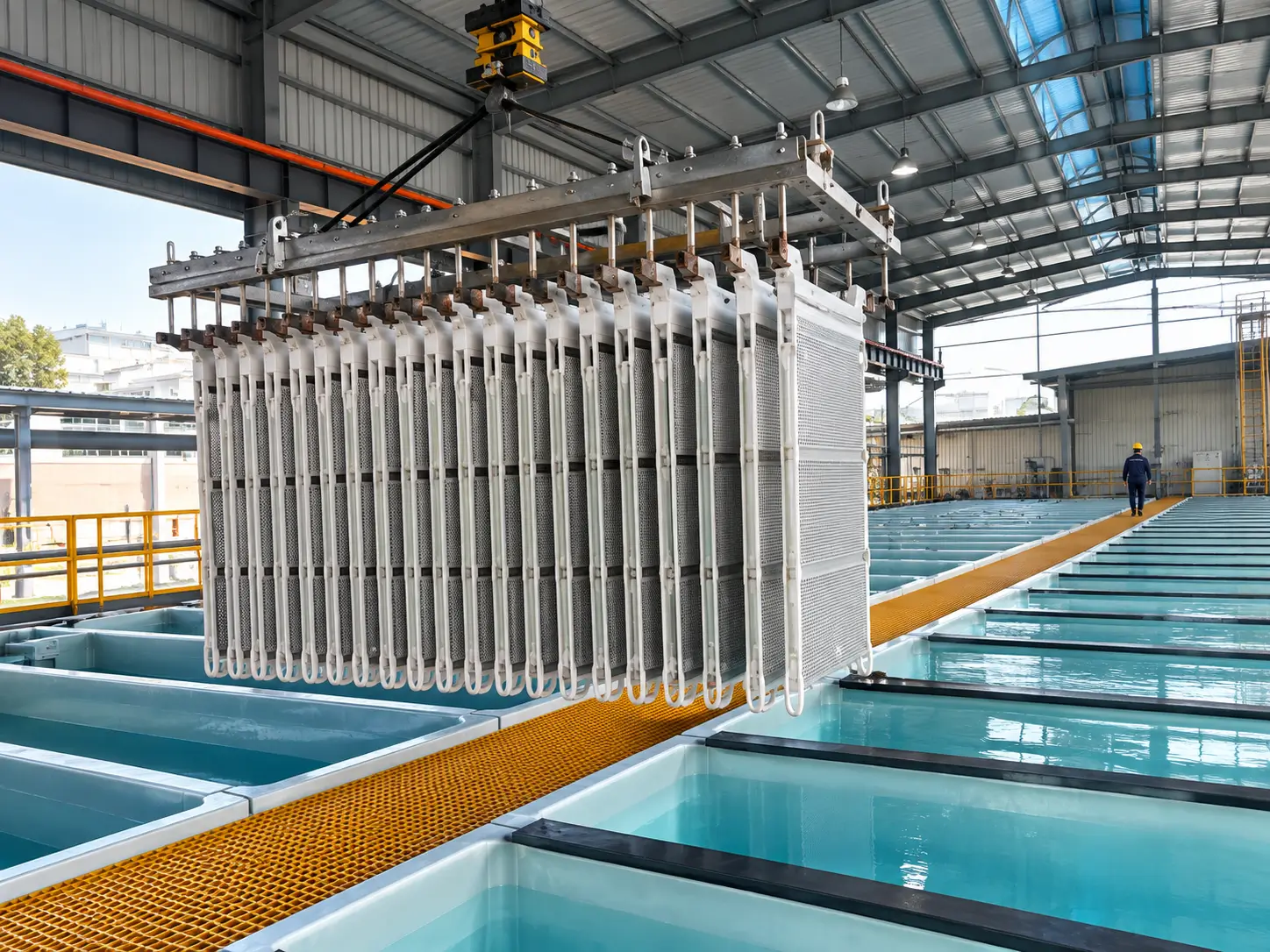
Define substrate function, geometry, surface condition, cleanliness and downstream coating process.
Explore the industry context →
Share fluid, pressure, temperature, joining route, inspection and system qualification requirements.
Explore the industry context →Material & Standard Guide
A grade name does not replace a product-form standard, condition, drawing or acceptance plan. Start from the actual media, concentration, temperature, pressure and mechanical duty, then confirm the applicable standard revision in the purchase order.
Read the Grade & Standard Guide| Grade | Material family | Selection note |
|---|---|---|
| Grade 1 | Commercially pure titanium | High formability; review strength and product-form availability |
| Grade 2 | Commercially pure titanium | Common industrial corrosion-resistant material; confirm environment and fabrication route |
| Grade 5 | Ti-6Al-4V | Higher-strength alloy for machined and structural parts; confirm condition and specification |
| Grade 7 | Palladium-alloyed CP titanium | Consider for selected corrosive chemical conditions after media review |
| Grade 9 | Ti-3Al-2.5V | Useful where strength and formability are both required; confirm form-specific standard |
| Grade 12 | Ti-0.3Mo-0.8Ni | Used in selected chemical and heat-transfer duties; verify exact service conditions |
| Grade 23 | Ti-6Al-4V ELI | Controlled-interstitial alloy; material compliance alone is not finished-device approval |

Custom Titanium Processing
Cutting, machining, forming, welding, surface finishing and inspection should be reviewed as one process chain. Capability depends on grade, form, geometry, tolerance, quantity and evidence requirements.
Quality Records & Shipment Documents
The available records depend on the product form, source material, processing route, standard and agreed inspection scope. Required evidence should be listed before quotation—not assumed after production.

Titanium Products Purchase Guard
Use this short check before comparing price or issuing a purchase order. The complete guide explains the evidence, acceptance and supplier-review steps in detail.
Grade, product form, standard revision, condition and heat or lot basis.
Size, tolerance, surface, machining allowance and processing responsibility.
Certificates, inspection, testing, hold points and acceptance criteria agreed before order.
Marking, protection, document set, destination, Incoterm and delivery basis.
Titanium Products FAQ
Provide the product form, grade, governing specification and revision, condition, dimensions, tolerance, quantity, surface requirement, processing scope, inspection documents, packing needs and destination. Add drawings or a BOM for custom parts.
No. Grade selection should be reviewed against the actual media, concentration, temperature, pressure, mechanical duty, fabrication route and governing design requirements.
Cutting, sizing, machining, forming, welding and finishing can be reviewed according to the product form, grade, dimensions, tolerance, quantity and acceptance requirements.
No. They vary with grade, form, dimensions, condition, quantity, processing, testing and current material availability. They should be confirmed in the quotation.
Depending on the confirmed order scope, documents may include an MTC, heat or lot traceability, dimensional records, specified test reports, packing list and marking records. Required documents should be agreed before order placement.
No. It supports material conformity to the stated order basis. Final design suitability, code compliance, component qualification and application approval remain separate responsibilities unless explicitly included in the contract.
Tell us your application, grade requirement, dimensions, quantity, standard and documentation needs. Our team will help you choose the right titanium product form and prepare a quotation.
Prefer Email?
sales@heletitanium.com